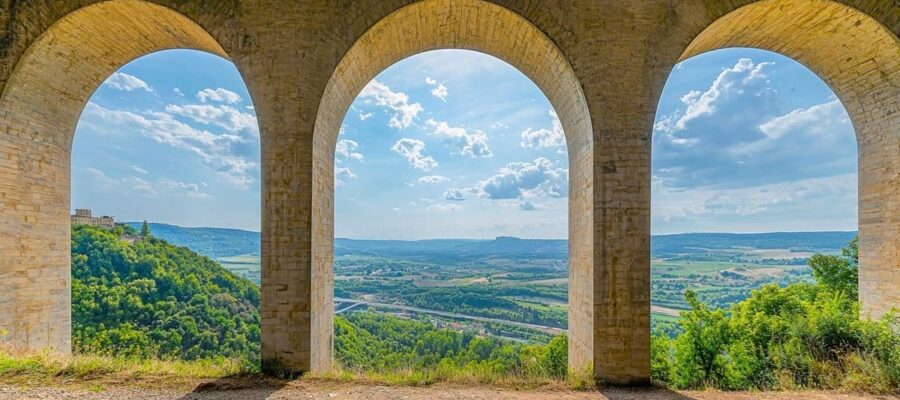
The Millau viaduct, located in Aveyron, embodies an unprecedented technical and architectural undertaking. With its 343 meters high, it exceeds the Eiffel Tower and holds the title of the highest road bridge in the world. Designed by the British architect Norman Foster and the French engineer Michel Virogeux, this book has redefined the limits of modern engineering. Its history, marked with bold technical challenges and material innovations, deserves to be explored in depth.
Millau’s viaduct combines visual elegance and technical rigor, the result of a Franco-British unique collaboration.
A Franco-British collaboration for a revolutionary design
Norman Foster, known for its light and functional structures, imagined a bridge transparent and delicateWhile Michel Virogeux, Shroud bridges specialist, optimized structural stability. Their approach made it possible to create a work aerodynamicTested in a blower to resist the strong winds of the Tarn Valley.
Aerodynamic form and structural optimization
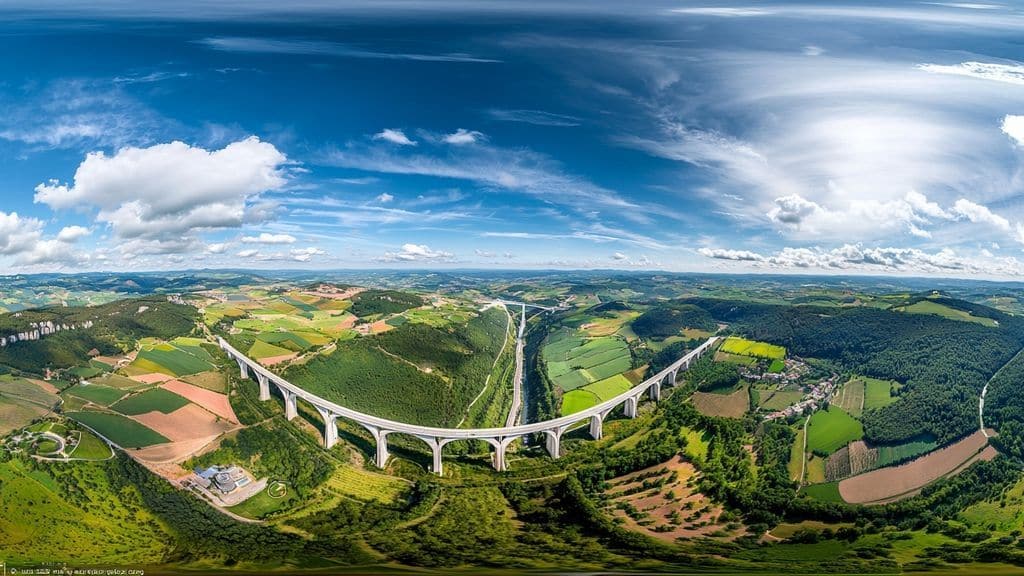
The 32m level apron adopts a light curvature to reduce wind resistance. The protections, arranged in tablecloths, offer maximum rigidity by minimizing the mass. This configuration allows the bridge floating Visually above the valley, strengthening its integration of the landscape.
Complexes of construction techniques and assembly methods
The construction of the Millau viaduct mobilized innovative methods to overcome topographical challenges.
Assembly of boxes and launch of the apron
The elements of the apron have been assembled in construction sites on the ground, avoiding height work. Each vehicle of 171 meters was launched in the void thanks to Hydraulics translate. These machines, equipped with 250 tons cylinders, pushed the apron at a speed of 9 meters per hour, driven by gps and laser.
The challenges of assembly of metal pylons
The pylons, manufactured by Eiffel, were delivered in elements to a maximum of 12 meters. Their group began on the first section of the apron, with a partial pylon of 70 meters. After the central junction in 2004, the other pylons were raised using car trolleys -propulsses, reaching their final height of 343 meters.
Technical materials and innovations
The work is based on highly efficient materials, suitable for mechanical and environmental stresses.
Concrete and cement resistance and high -performance constraints
Abutment and batteries use a file Concrete b35g 0/14dosed at 385 kg/m³ of cement. This material offers exceptional resistance, crucial to support the loads of the apron and seismic forces. In total, 85,000 m³ of cement were used, including over 50,000 m³ of high -performance concrete.
Steel and optimization of metal structures
The bridge and metal pylons, made by Eiffel, combine lightness and resistance. The protections, made of stainless steel, ensure an optimal transmission of the loads to the pylons. This combination of materials has made it possible to reduce total mass while guaranteeing sustainability of several decades.
Environmental problems and landscape integration
A balance between technical audacity and respect for the landscape
The book adopts a file Minimalist aesthetic to merge into the landscape. The pylons, which arise in finesse, avoid breaking the perspective of the valley. The protections, distancedly spaced, create an effect of transparency, strengthening the illusion of a «suspended» bridge.
Ecological impact and resource management
The construction has integrated environmental protection measures, such as limiting noise pollution and conservation of natural habitats. The rest area Millau viaduct area It offers educational courses to increase awareness of ecological challenges related to work.
Technical registers and architectural heritage
The Millau viaduct contains several world records, marking a key step in the history of engineering.
World records that redefine the limits of engineering
- Highest road bridge : 343 meters high, overcoming the Eiffel Tower.
- Higher : 270 meters above Tarn Valley.
- Total length : 2,460 meters, with eight spans, six of which exceed 300 meters.
A symbol of modernity and international cooperation
The book embodies a file Franco-British cooperation Exemplary, mixing of technical skills and architectural vision. He also transformed the Region into a tourist destination, attracting millions of visitors every year.
Millau’s viaduct remains a World reference In terms of civil engineering. Its mixture of technical penalty, material innovation and formal elegance makes it a lasting heritage. Every detail, from soups to materials, testifies to a search for perfection that transcends the disciplinary edges. This bridge, much more than a simple work, is a manifesto for the 21st century architecture.
latest posts published

Discover our furniture line in Cotia
Prepare your outdoor space for summer

Safety Tips – Construtora Agmar
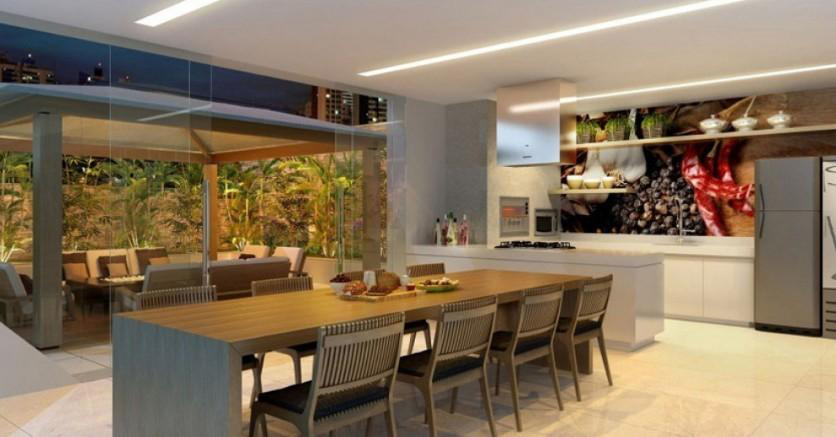
Gourmet space in Agmar developments: by Cícera Gontijo

Easter in the condominium: 3 games to play with the children

Sophistication in your company: discover high-end office furniture
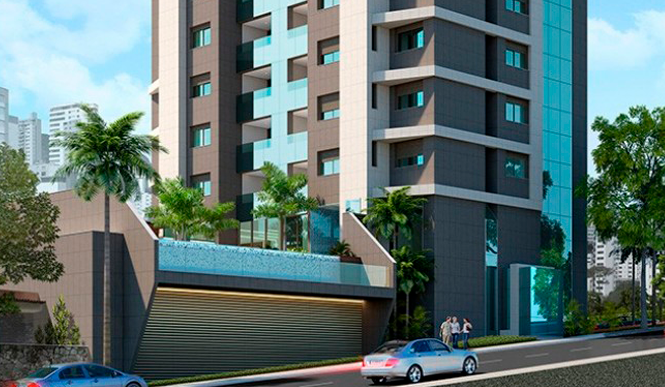
Yora Building, the most awaited building in Agmar

Pets in apartments: advice on how to raise them
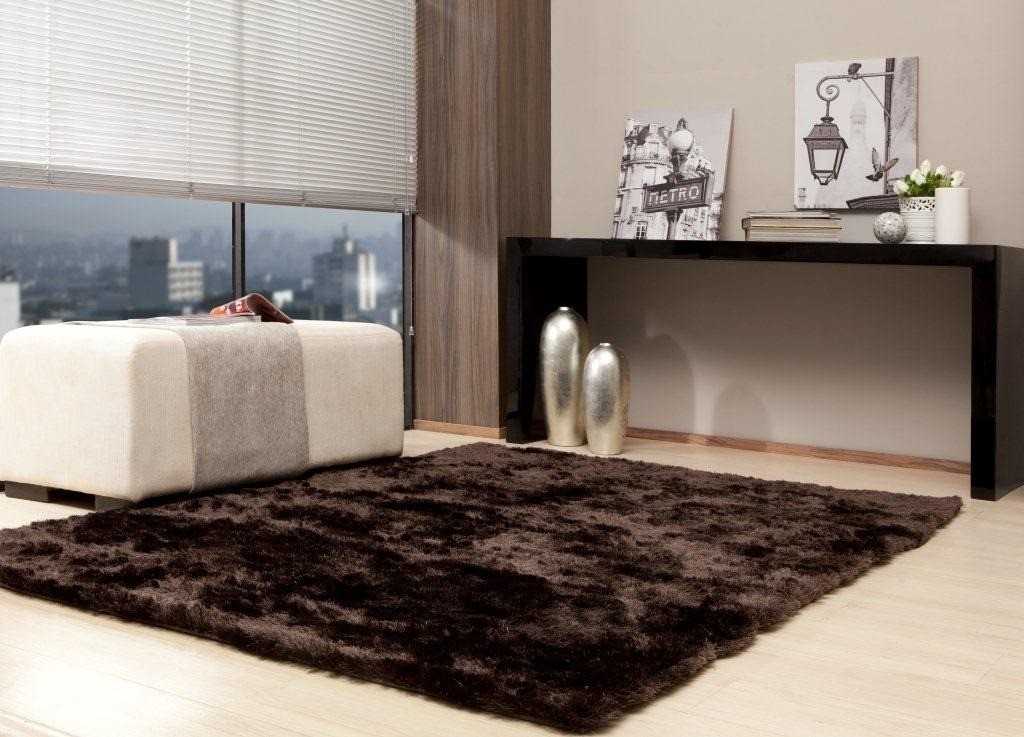
Five tips for adding rugs to your decor