The control of the dosage between sand and concrete is essential to ensure the sustainability and resistance of buildings. This relationship determines the cohesion of the mortar, its adhesion to the supports and its ability to resist environmental constraints. Proportion errors often cause cracks, excessive resistance or low mechanical resistance.
Each application requires a suitable dosage:
Masonry mortar
Used for the joints between bricks or stones, it favors a Good adhesion and Mechanical compatibility. Although sources do not specify an exact sand relationship, common practices suggest a balance between aggregates and constraint to avoid an excess of the end (sand) or rigidity (cement).
Died of coating
Applied in a fine layer on the facades or walls, requires a Water-Cement relationship Between 0.4 and 0.6 to avoid cracks. Additives such as hydroxypropilmetilcellulosa (HPMC) reduce the amount of water while maintaining cohesion, indirectly influencing the dosage of sand concrete.
Land
Designed for the structures of the earth, generally limits the water cement ratio to 0.5 to guarantee a abrasion resistance.
Factors that influence the dosage
Different parameters modify the ideal proportions:
Nature of the materials
- Sable : Its granulometry and purity influence water flow and retention. A calibrated sand (fine and medium) optimizes compactness.
- Cement : His class (ex. Cem I, CEM II) determines his reactivity and his ability to connect the aggregates.
Environmental conditions
Laboratory tests often underestimate real needs. On site, the optimal water cement relationship is generally From 5 to 10 % more that the theoretical values, due to variations in temperature, humidity or mixing methods.
Use of additives
Plastic or superplastification reduce the demand for water from 10 to 20 %, making it possible to increase the percentage of sand without compromising fluidity. The intake of accelerators or water repellent also modifies the needs by connecting.
Methods to optimize the dosage
To avoid errors, adopt these good practices:
Test on small surfaces
Before launching a construction, test on limited areas to regulate the sand-cement relationship based on local materials and climatic conditions.
Progressive dosage
Mix the sand and cement in controlled proportions, gradually adding the water. A too liquid pasta indicates an excess of binder, while a granular consistency reveals a lack of cement.
Control of workers
Use tools such as the Equivalent concrete To validate the compatibility between cement and additives, guaranteeing a homogeneous distribution of the components.
Practical cases and recommendations
Some scenarios illustrate the importance of a specific dosage:
Join stones
For stone walls, a mixture of 5 volumes of sand for 3 volumes of hydraulic lime It is recommended, with a time of intake limited to 1h30. Although this relationship concerns the lime, it suggests a logic of proportion adaptable to concrete.
Facade
When applying a concrete coating, favor to 20 mm thickness Outdoors, in several steps to avoid detachments. The wooden wedges serve as a reference parameters to maintain a constant thickness.
Use of loans to use mortars
Industrial mortars are already incorporating additives to stabilize the sand-cement relationship. They reduce the risk of errors on site, but require rigorous respect for mixing instructions.
Prospects and innovations
The industry is evolving towards more flexible solutions:
Smart dosage systems
Automated technologies regulate the amount of additives in real time depending on the performance of the mortar, making it possible to maintain an optimal ratio even with variations in raw materials.
Recycled materials
The integration of aggregates from demolition requires adiuvants to compensate for their increase in the increase in water, opening the way to more sustainable formulations.
The dosage of sand is not an exact science, but an art that combines theory and practical. Taking into account the materials, the conditions of the site and the technological innovations, professionals can create sustainable mortars, adapted to each project. A rigorous approach, associated with previous tests, remains the key to avoid disappointments and guarantee the longevity of the buildings.
latest posts published

Discover our furniture line in Cotia
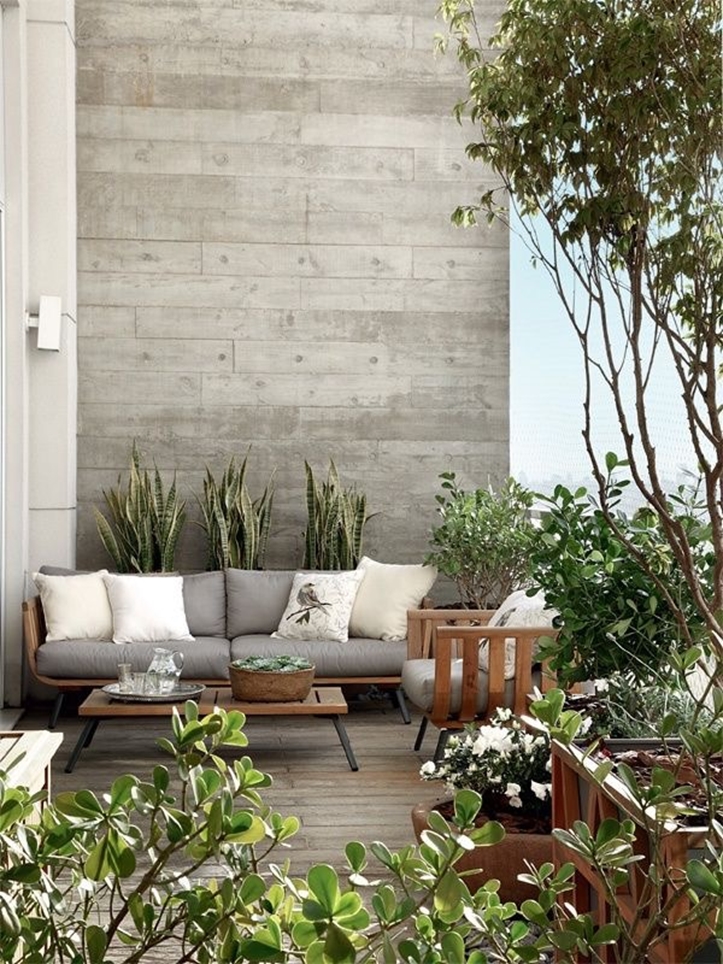
Prepare your outdoor space for summer

Safety Tips – Construtora Agmar
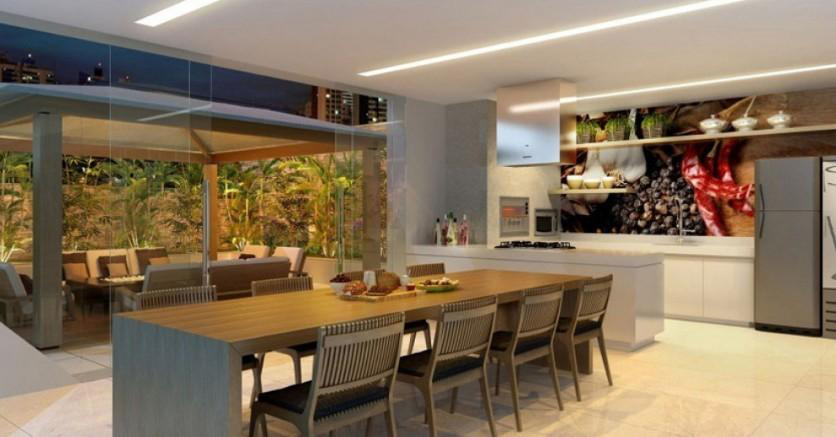
Gourmet space in Agmar developments: by Cícera Gontijo
Easter in the condominium: 3 games to play with the children

Sophistication in your company: discover high-end office furniture
Yora Building, the most awaited building in Agmar

Pets in apartments: advice on how to raise them
Five tips for adding rugs to your decor