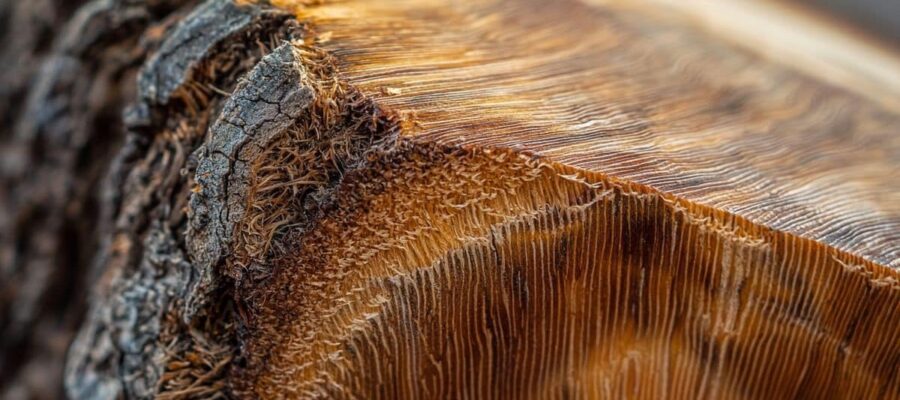
The helmet, a wooded essence with remarkable mechanical properties, marked the history of naval construction while today it found various applications. From the production of ships of ships to the development of resistant parquet, this tree with versatile uses deserves special attention. This guide explores its technical characteristics, practical applications and methods to optimize sustainability.
Historical and modern uses of Olmo
Elm has long been favored for maritime structures thanks to his Compression resistance and it is flexibility. In the traditional navy, it was used for Bachelor AND vangeensuring an essential rigidity for shells. His thick and compact wood resists shock as he adapts to the movements of the waves. This reputation continued until the nineteenth century, where it was gradually replaced by other essences such as oak or ash.
Today, the ELM finds points of sale in crafts and interior design. Classified as Class C (Hardness of Brinell between 30 and 40 n/mm²), is suitable for Intensive residential uses (Class 23) or Moderate commercial areas (Class 31). His fine wheat and his clear shade make him an aesthetic choice for furniture or the parquetEspecially in high frequency rooms such as fairs or kitchens.
The technical and mechanical properties of the helmet
Resistance and durability
The olm stands out for a high hardnesscomparable to that of oak or ash. Its density makes it particularly suitable Flashing floorswhere it resists scratches and impacts. In comparison, essences such as birch or larch (class B) have less resistance, while teak or wengé (class D) exceed the olm in sustainability.
Behavior in the face of humidity
Unlike other woods such as oak, olm It quickly focuses in fresh waterwhich limits its use in a humid environment. On the other hand, it turns out Resistant to the marine environmentThanks to its tannin content that rejects mushrooms and insects. This duality explains its decline in modern naval construction, where essences like American White Oak (Virginian Virginiana) are privileged for their universal sustainability.
Maintenance and protection advice
Surface treatments to preserve the essence
To prolong the life of the olmo, natural coatings are recommended. There Swedish ocher paintingComposed of iron flour and sulphate, it offers toxic solvents without antifungal protection. Applied in thin layers, allows the wood to do it breathe While preserving its natural color. For external uses, a Reculling every two years It is recommended, especially for the coating or shutters.
Choice of suitable coatings
THE Maceration oils (as a lemon balm) can be integrated into treatments to strengthen properties antiseptic And anti -inflammatory wood. However, these products are more suitable for internal use, in which humidity is controlled. Outdoors, favor Statale based on natural resins for optimal protection against bad weather.
The challenges and limits of the olmo
Fresh water sensitivity
The olm remains vulnerable to wet environmentsespecially in fresh water. This sensitivity limits its use in Bathroom floors or the Structures in contact with the ground. For projects that require water resistance, alternatives such as Teck or the Doussié (Class D) are more suitable.
Availability and alternatives
The decline of helmet forests in Europe has led to a Rarefaction of petrolmaking his supply more complex. Alternatives such as the chestnut or the ash Offer properties similar to a more convenient cost. Ash, in particular, is combined flexibility And resistencemaking it ideal for curved furniture or the Structures that transport.
Perspectives Futures and innovations
Recent innovations refer ecological treatments To strengthen the sustainability of the helmet. Studies explore the addition of Plants based on plants (as a scrofular) in the coatings, combining antifungal protection and respect for the environment. These solutions could reduce the ecological impact of traditional chemicals.
Evaluation in modern craftsmanship
The ELM finds a place of choice in contemporary crafts, especially for Mobile design or the Decoration elements. His fine wheat and his clear shade allow The partner ends OR luxuriousadapted to minimalist interiors. Artisans also experience Insolation techniques to highlight its natural consistency.
Elm, although less used than in the past, maintains a remarkable potential In the carpentry and construction areas. His Balance between resistance and aesthetics In fact, a judicious choice for demanding projects. By combining traditional methods and ecological innovations, it could find a central place in the wood industry.
latest posts published
Discover our furniture line in Cotia
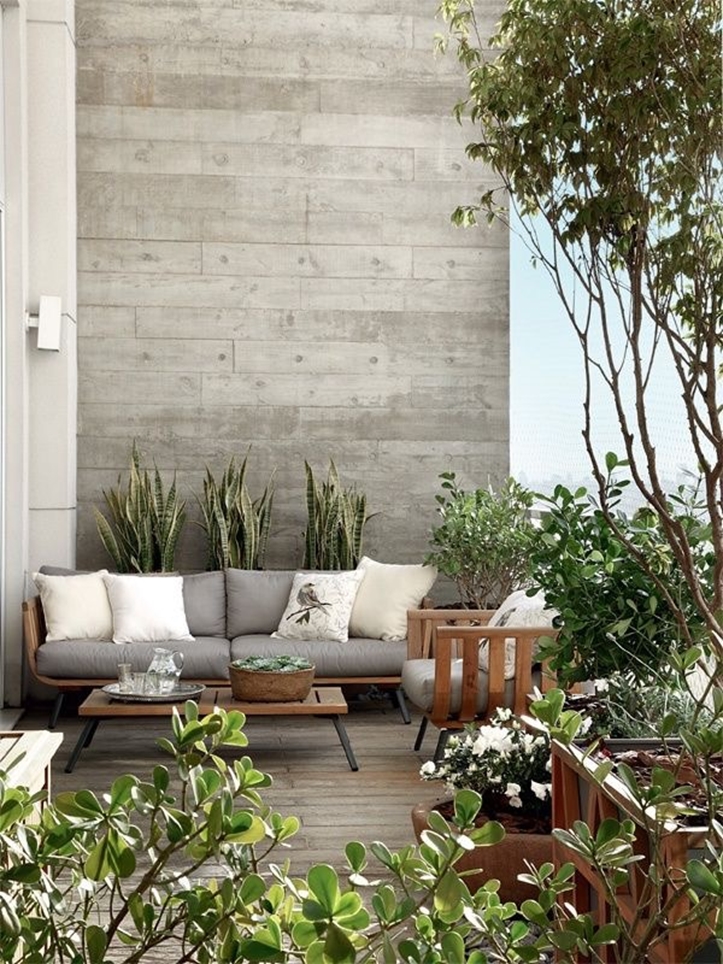
Prepare your outdoor space for summer

Safety Tips – Construtora Agmar
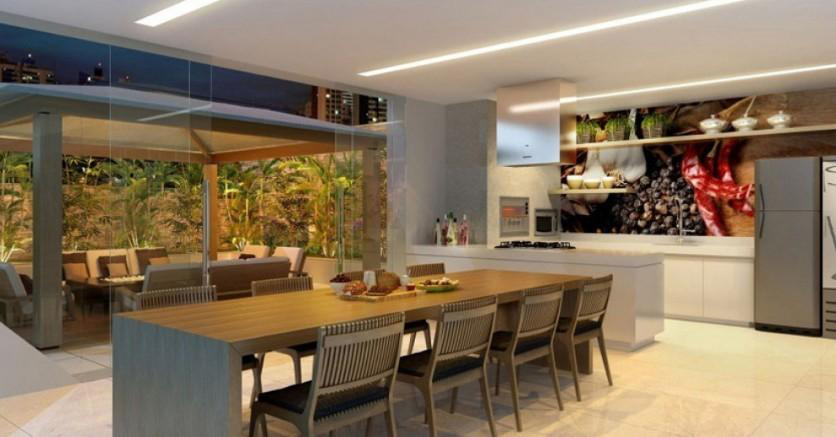
Gourmet space in Agmar developments: by Cícera Gontijo
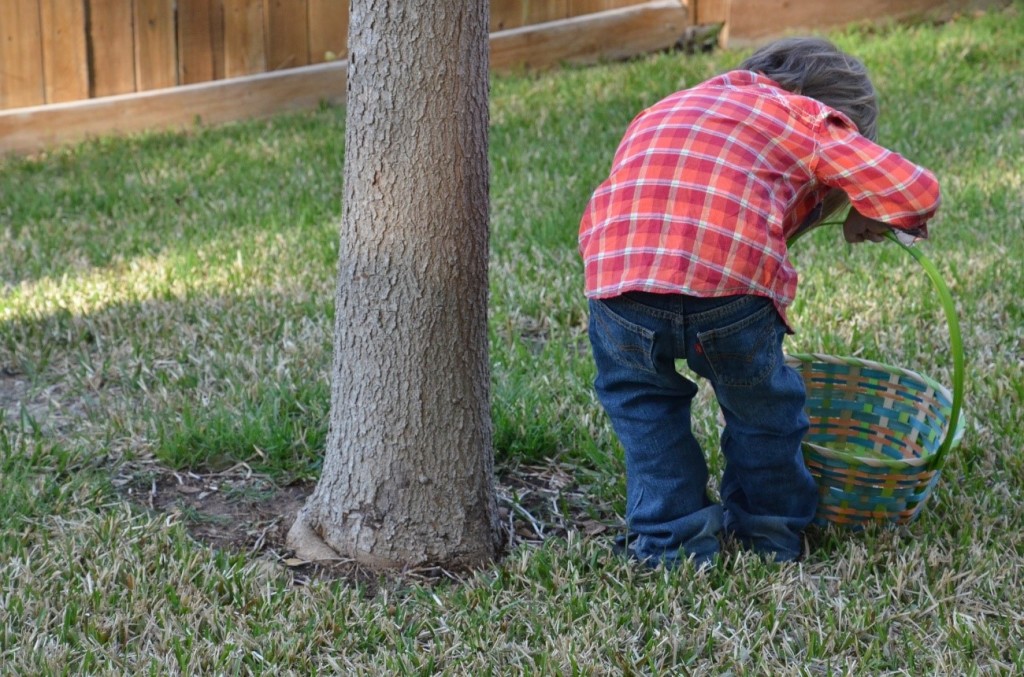
Easter in the condominium: 3 games to play with the children
Sophistication in your company: discover high-end office furniture

Yora Building, the most awaited building in Agmar
Pets in apartments: advice on how to raise them
Five tips for adding rugs to your decor