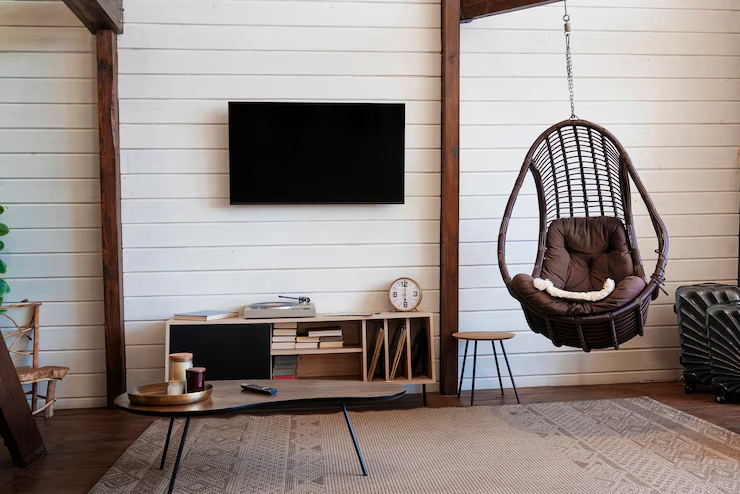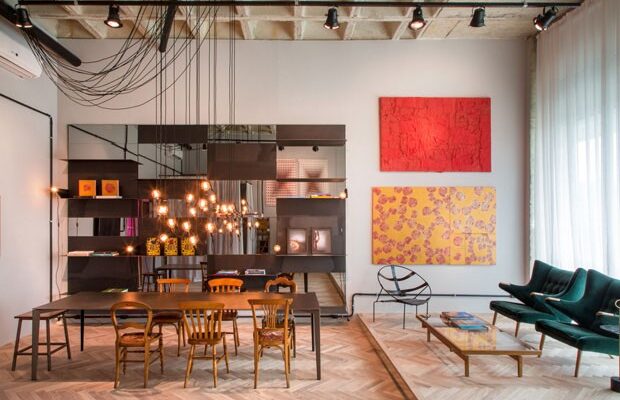
Inspired by the design of old factories and industrial warehouses in the United States, transformed into residential spaces in the 1950s and 1970s, the industrial style is still a success today.
Usually applied in large spaces, suitable for those seeking to optimize them, industrial combines practicality and personality with the urban lifestyle.
Among its striking features are the use of exposed brick and pipes, burnt concrete and the reuse of demolition wood.
Pieces of metal, leather and wood combine with concrete and brick to create cosmopolitan spaces, with personality, as well as enhancing work environments, including domestic ones.
Another characteristic of the style is the reduction of the walls in favor of integration between the spaces.
When delimiting spaces, creativity uses shelves, shelves, panels or furniture from the house.
Decoration styles: industrial – Construtora Agmar
Tips for use
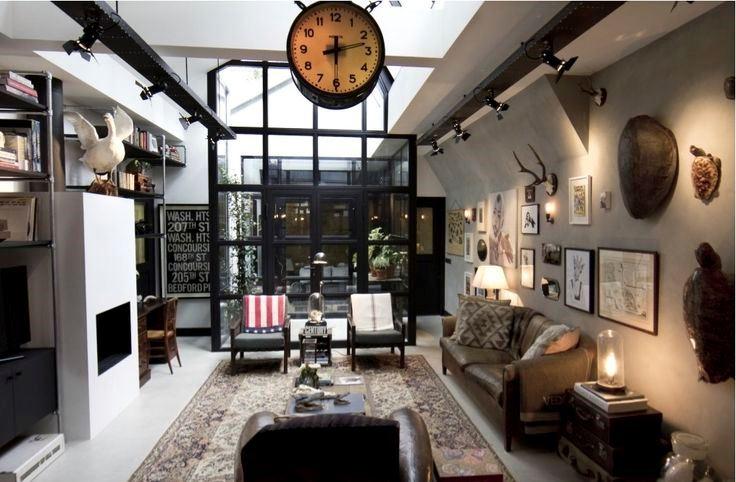
Among the experts’ advice for making the most of the industrial style, a lighting project that explores targeted lighting very well, highlighting not only the use of different materials and coverings, but decorative details and objects that directly communicate the style.
Practicality is also one of the typical concepts of industrial style, so incorporating pieces that embrace principles such as ergonomics and multipurpose is a highly recommended practice.
Finally, as a final tip, use fabrics and materials that balance the factory atmosphere, as well as brightly colored decorative objects, so that the environment becomes more comfortable and welcoming.
Agmar offers large residential and corporate properties, suitable for the most varied and demanding furnishing styles.
With over 40 years of experience, Agmar seeks to continuously improve the quality of its services, offering residential projects that combine technology and refinement, to guarantee the comfort and convenience essential for the well-being of its customers.
Conclusion
The enduring popularity of the Industrial style is rooted in its fascinating historical context: it emerged from the transformation of old American factories and industrial warehouses into residential lofts between the 1950s and 1970s. This origin imbues the style with an authentic, rugged character that continues to resonate today. It is inherently tied to the urban lifestyle, successfully blending a sense of raw, utilitarian aesthetics with modern living needs.
The Industrial style is particularly well-suited for large spaces, where its open-plan nature and emphasis on volume can be fully appreciated and optimized. It appeals strongly to individuals seeking to maximize their living areas, offering a perfect marriage of practicality and personality. The aesthetic rejects the decorative clutter of traditional design in favor of functional, honest simplicity. This pragmatic approach makes the space highly adaptable and efficient.
A defining feature of the Industrial style is its emphasis on exposed structural and raw materials. The text highlights key components that are central to its identity, including the use of exposed brick and pipes, which deliberately showcase the building’s skeletal and mechanical elements rather than concealing them. This is complemented by the texture of burnt concrete for floors and walls, and the warmth of reused demolition wood, which adds a historical, sustainable contrast to the cold, hard surfaces. These elements combine to create a visually striking, yet highly livable, urban environment that remains a dominant trend in contemporary interior design.
latest posts published
Discover our furniture line in Cotia
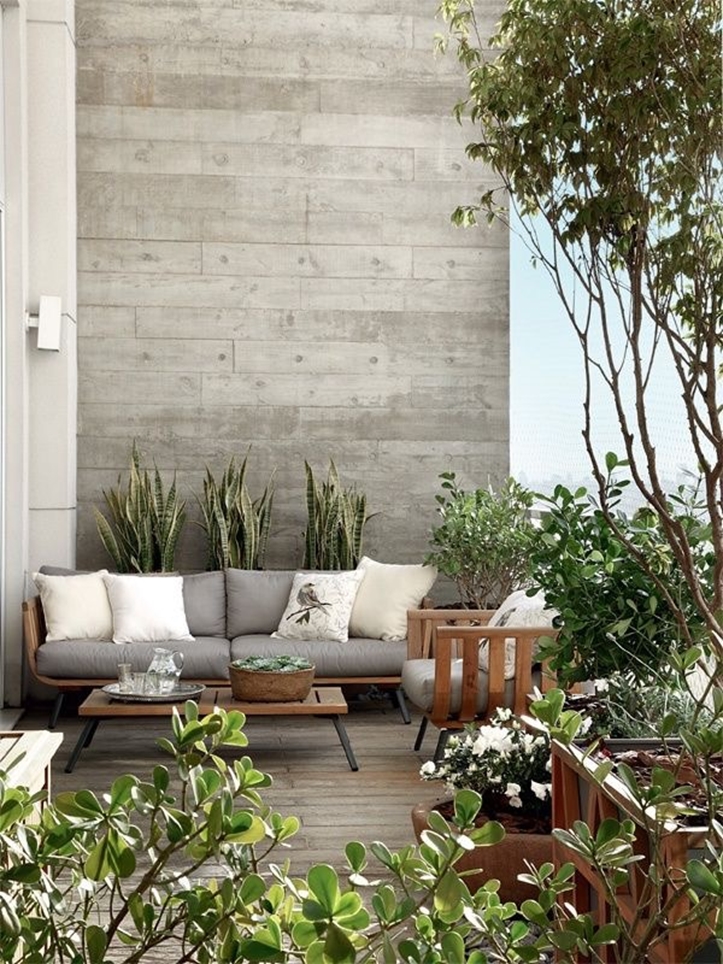
Prepare your outdoor space for summer

Safety Tips – Construtora Agmar
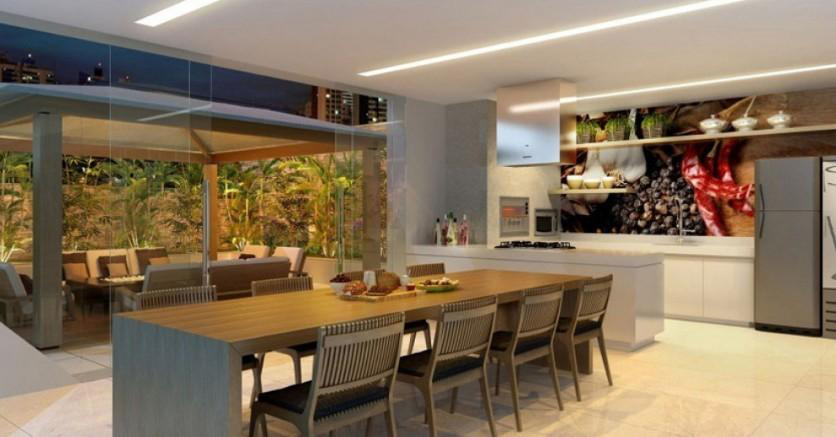
Gourmet space in Agmar developments: by Cícera Gontijo

Easter in the condominium: 3 games to play with the children
Sophistication in your company: discover high-end office furniture
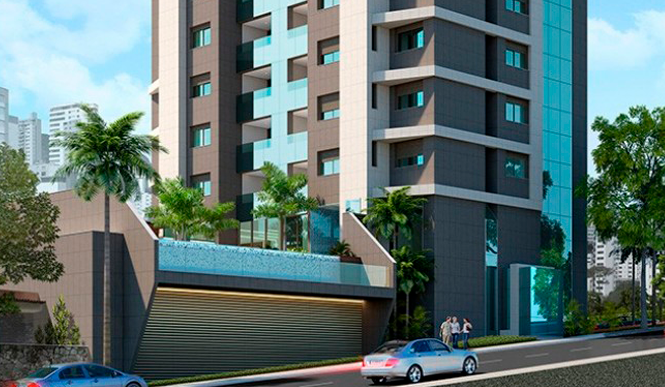
Yora Building, the most awaited building in Agmar

Pets in apartments: advice on how to raise them
Five tips for adding rugs to your decor