Decorative gravel is a practical and aesthetic solution for the gardens, which combines low maintenance And versatility. Its use has become widespread thanks to its ability to transform external spaces by limiting maintenance activities. However, his adoption requires a reflection on benefits And confineas well advise To optimize its effectiveness.
Advantages of decorative gravel
Aesthetics and versatility
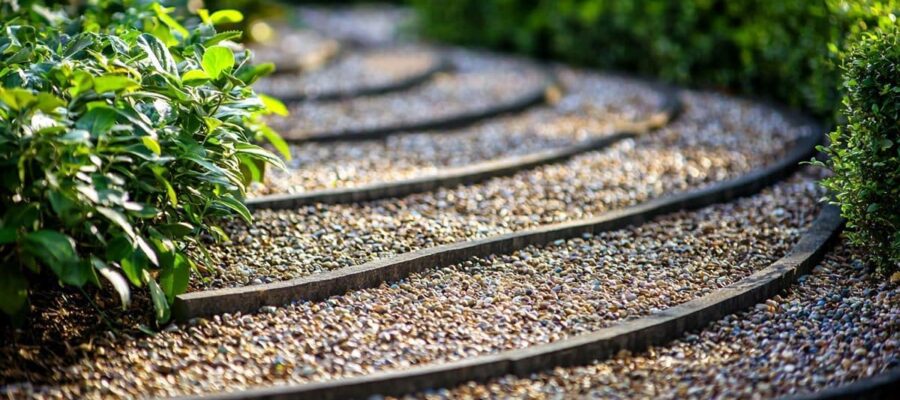
The gravel offers a Variety of colors and plots Which adapt to all garden styles, from modern to rustic. Its installation creates visual contrasts with vegetation, strengthening the harmony of outdoor spaces. Available in different sizes, it allows you to structure the corridors, edges or relaxation areas, while offering a sustainability Remarkable in the face of bad weather.
Ease of maintenance
Unlike materials such as asphalt or cement, gravel does not require frequent repairs. Limit the proliferation of weeds thanks to its dense coverage, thus reducing manual weeding. Also, it is permeability Avoid water puddles, protecting plants from excess humidity and fungal diseases.
Ecology and permeability
Son Reduced environmental impact In fact, an ecological choice. The gravel allows natural drainage, preserving the aquifers and limiting the accumulation of stagnant water. This property makes it ideal for areas subject to floods or clayey land.
Disadvantages and limits
Overheating
Gravel Reflects sunlightincreasing the temperature of the soil. This overheating can stress sensitive heat plants, such as Mediterranean species or young sowing. To mitigate this effect, it is recommended to Combines the gravel with organic materials (compost, cortex) that maintain humidity and regulate the temperature.
Reduction of humidity
Although permeable, gravel does not maintain humidity Like organic mulch. This requires More frequent watering For surface plants, especially during dry periods. A solution is a Alternate gravel and ground layers to improve water retention.
Impact on nutritional balance
Unlike vegetable pasta, gravel it is not decomposed And it does not fertilize the ground. Gravel surrounded plants can suffer from nutritiouswhich requires contributions from regular fertilizers. To compensate, integrate Composers OR organic fertilizer In your maintenance routine.
Practical applications
Alleys and edges
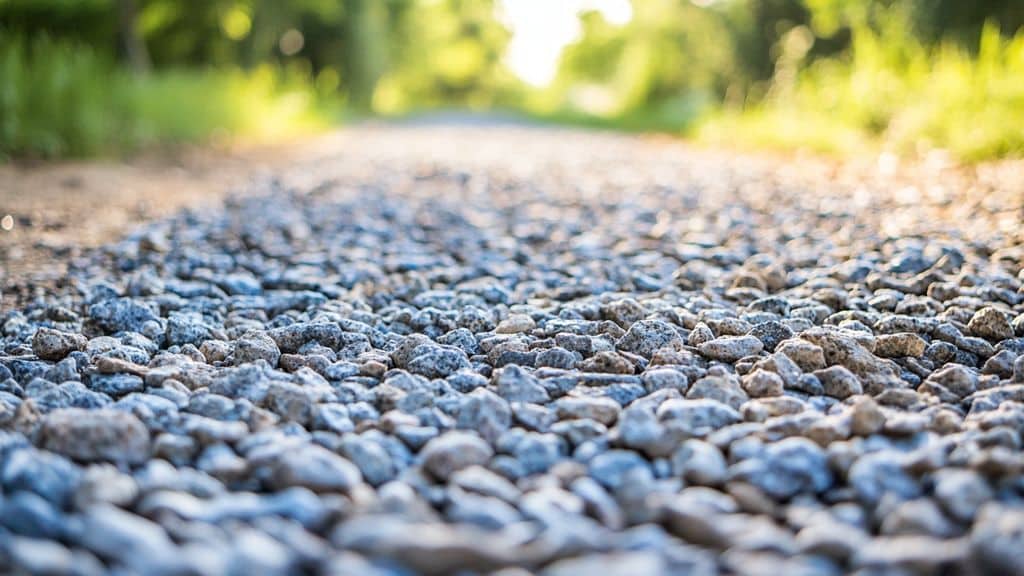
For corridors, they favor to Crushed gravel from 1 to 3 cm For better stability under vehicles. Add one geotessile canvas Under the gravel layer to block weeds and avoid travel. For borders, opt for Decorative gravel Contrasted color (black, white, red) to create marked visual effects.
Pacciame for vases and maximums
Like Pacciame, gravel protects the roots of Excess humidity AND Cryptogamous diseases. However, monitor the humidity of the substrate: a Regular watering It is essential to ask for plants such as roses or bushes. For the pots, mix the gravel with enriched soil To improve fertility.
Ghiaia stabilized for traffic areas
THE stabilized (mixed with a binder) is a solid alternative for garage naves or areas frequented. His Load resistance and his optimal drainage Make a lasting choice, even in the rain or snow.
Minimum maintenance
Control of weeds
To limit herbs, Install a geotessile canvas Before placing the gravel. If the sprouts appear, use a file Weedkiller thermal or a solution of diluted white vinegar (1: 1 with water) to remove plants without chemicals.
Regular compaction
The gravel tends to decompt Over time. Compact every year Using a roller or pupil to maintain its stability. Add one gravel layer If necessary to compensate for losses.
Humidity management
Avoid Over-arost Ghiaia areas, since this promotes the growth of herbs. Favor Targeted watering plants, avoiding wetting the gravel itself. For dry areas, Sprinkle with fine sand Among the stones to preserve humidity.
Prevention of weeds
Geotessile canvas
This physical barrier It prevents the roots from penetrating the ground as they let the water pass. Its installation is essential By alleys or maximums subjected to high plant pressure.
Mineral Pacciame
THE Fragments of slate or the thick gravel (5 cm thick) block the light necessary for the germination of the seeds. This mulch is particularly effective for shaded areas or the Only humus rich.
Choice of suitable gravel
Opt for a homogeneous gravel (From 1 to 3 cm) which reduces the interstices in which the seeds can germinate. Check that the product is Guaranteed without grass To avoid the weeds included in the bag.
The decorative gravel offers a Balance between aesthetics and functionalityIdeal for gardeners looking for minimum maintenance. Although it is benefits (Permeability, sustainability) are numerous confine (Overheating, lack of nutrients) require practical adjustments. Combining geotessile canvas, Mineral Pacciame And regular maintenanceMaximizes his profits by minimizing his disadvantages. For traffic areas, the stabilized It stands out as a lasting and ecological solution.
latest posts published
Discover our furniture line in Cotia
Prepare your outdoor space for summer

Safety Tips – Construtora Agmar
Gourmet space in Agmar developments: by Cícera Gontijo
Easter in the condominium: 3 games to play with the children

Sophistication in your company: discover high-end office furniture

Yora Building, the most awaited building in Agmar

Pets in apartments: advice on how to raise them
Five tips for adding rugs to your decor