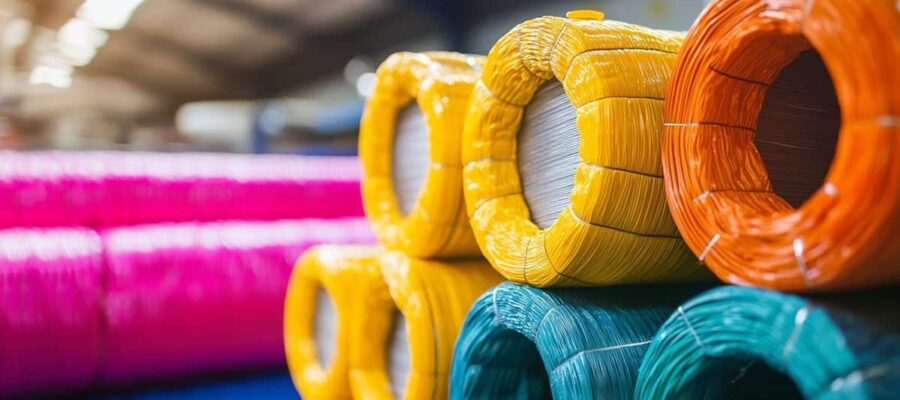
The insulation of multilayer tubes is a crucial step to optimize the energy performance of heating or healthcare structures. These pipes, composed of a multilayer structure (aluminum and plastic), offer mechanical and thermal resistance higher than traditional materials such as copper or for. However, their effectiveness depends directly on the quality of their isolation, which protects from heat losses, condensation and noise pollution. In this article, we explore the most effective methods to isolate these tubes, based on the best practices in the sector.
The importance of thermal insulation
Optimized thermal performance
Multistrate insulation reduces heat loss, a key factor for heating systems. Insulating materials such as expanded (polyethylene) or the rock wool Offer thermal conductivity (Lambda) less than 0.040 W/MK, ensuring efficient insulation. This feature is particularly useful for hot or cold water heating networks, in which each lost degree translates into an increase in energy consumption.
Condensate prevention
The insulated pipes are exposed to condensation, in particular in wetlands or low temperature. Multilayer insulation, often equipped with a protective movie (red or blue), limits this risk while maintaining a stable temperature on the surface of the tube. This protection is essential to avoid structural damage and losses relating to humidity.
Reduction of noise pollution
Heating or sanitary systems generate vibrations and water circulation noises. Multistrate isolation reduces these annoyances thanks to its composite structure and its insulating material, improving the acoustic comfort of homes.
Long -term savings
Investing in quality multilayer isolation is justified by reducing energy costs and an extensive duration of the installations. Multistrate pipes, less sensitive to flights compared to copper, also offer a logistical advantage in construction sites.
Insulation techniques: materials and methods
Choice of insulating materials
The effectiveness of the isolation depends on the selected material:
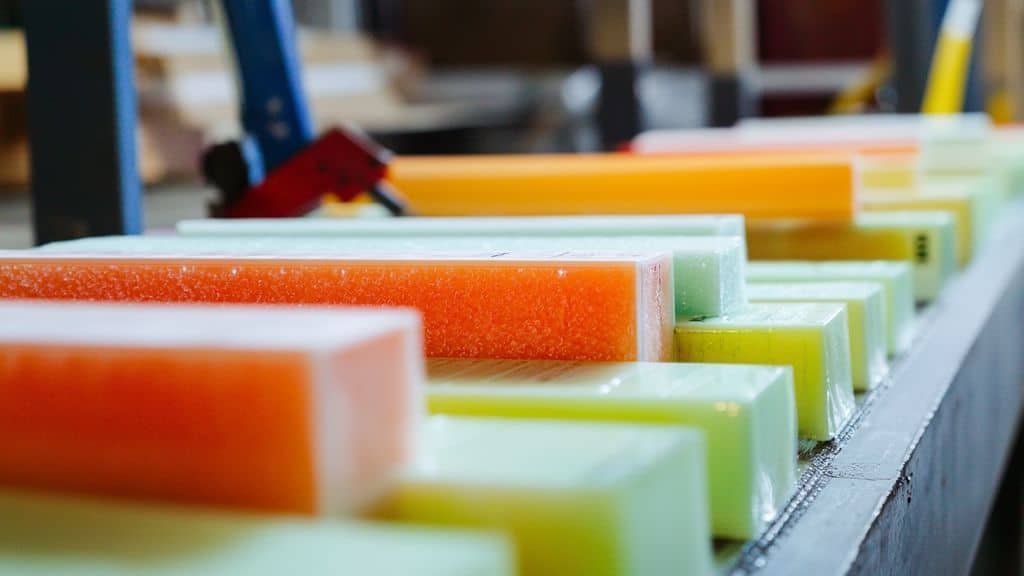
- Peu mousse sleeves : Economic and easy solution -install, suitable for standard diameters. Ideal for rapid renovation works.
- Rock wool shells : High thermal resistance (Lambda
- Insulating stickers : Practices for areas difficult to access, such as elbows or fittings.
For heating systems, a Minimum thickness of 25 mm It is recommended, depending on the diameter of the tube and the difference in temperature.
Laying methods
- Preparation of the tube : Clean the surface to ensure an optimal grip.
- Insulating application :
- Sleeve : Put the sleeves on the tube, making sure they completely cover the area to isolate.
- Shells : Cut the shells in the exact length and fix them with tight necklaces.
- Joints : USA A specialized adhesive To seal the joints between sleeves or shells, avoiding thermal bridges.
Adapted fittings
Multistrate fittings (crimp, compression or scrolling) are designed to integrate perfectly into isolation. They mechanical seal It guarantees thermal continuity and high pressure resistance.
Frequent errors to avoid
Unsuitable materials
Choose an isolation with a Thermal conductivity too high (Lambda> 0.040 W/mk) reduces the efficiency of the insulation. Promote foam with closed cells or rock wool for critical installations.
Insufficient thickness
Too fine isolation (less than 25 mm for heating) causes significant heat losses. Calculate the thickness according to the diameter of the tube and the water temperature.
Negligent
Forget to treat seals or correctly correct the terminals Thermal bridgesCancel the advantages of isolation.
Absence of ventilation
In confined spaces, a Insufficient ventilation promotes condensation. Provide ventilated technical spaces (minimum 2 cm) to avoid the risk of humidity.
Cases of use and concrete applications
Renewal vs new construction
- Renovation : Multilayer tubes are ideal for replacing the old copper or for nets, thanks to theirs flexibility and theirs Corrosion resistance.
- New construction : They ease of installation (less fittings) and them sustainability Make it a long -term economic choice.
Specific networks
- Central heating : Multilayer insulation to limit heat losses.
- Cold water : Protection against condensation in low temperature areas.
- Domestic hot water : Thermal adjustment to avoid overheating.
Prospects and innovations
Emerging materials
THE Polyurethane insulation (Lambda = 0.022 W/mk) earns popularity for their exceptional performance. Although less common for pipes, they could impose themselves in high -energy requirements projects.
Modular systems
THE Pre-insulating pipes pipes (like Comap Multiskin 4) simplify sites by integrating isolation from production. They protective movie (red or blue) facilitates the identification of networks.
Certification and standard
Check them Acemi certifications For insulators, ensuring performance in accordance with energy standards. Multistrate fittings benefit from Ten -year guaranteestrengthens the trust of professionals.
Isolating a multilayer tube is a combination of wise material choices, rigorous methods of installation and preventive maintenance. Preferring materials with low thermal conductivity, avoiding current errors based on certified systems, professionals and individuals can optimize the performance of their installations. Faced with the evolution of energy standards, multilayer insulation is a lasting solution, which combines ease of installation and long -term efficiency.
latest posts published

Discover our furniture line in Cotia

Prepare your outdoor space for summer

Safety Tips – Construtora Agmar

Gourmet space in Agmar developments: by Cícera Gontijo

Easter in the condominium: 3 games to play with the children

Sophistication in your company: discover high-end office furniture

Yora Building, the most awaited building in Agmar
Pets in apartments: advice on how to raise them
Five tips for adding rugs to your decor