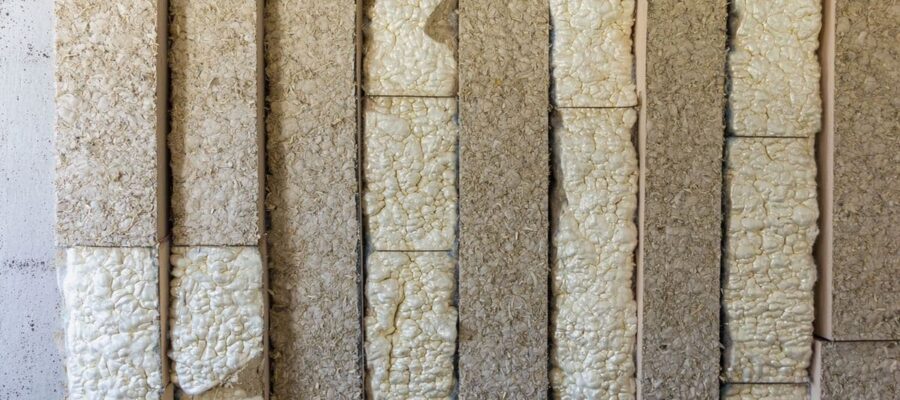
The panel cellulose jump is an innovative solution for energy renovation works, combining thermal performance and respect for the environment. Coming from recycled documents and natural adjuvants, this biological material meets the requirements of buildings for high energy performance (HPE) by limiting its ecological imprint. Its use is widespread in the walls and internal roofs, in particular thanks to its ability to adapt to the complex forms of old structures.
Technical characteristics of the cellulose sail of the panel
Ecological composition
The cellulose is composed of cellulose fibers from recycled and crushed recycled cards, mix with natural additives (Borace, ammonium phosphate) to improve its fire resistance and insects. Unlike synthetic insulators such as polyurethane or polystyrene, it does not contain No aggressive chemical And of course degrades at the end of life.
Thermal and phonic performances
With Thermal conductivity (λ) of 0.035 W/MKThe cellulose vagabond offers thermal resistance (R) of 5.7 m².k/W For a thickness of 20 cm. Although slightly lower than that of wood fiber (λ = 0.036 w/mk), it stands out for a 10 hours phase thermal shyutingIdeal for regulating temperature variations in summer.
Advantages of the cellulose panel
Ecology and sustainability
RGE and Libibat certificatesThis solution meets the aid criteria for the renewal of energy. His Reduced carbon impact (recycled raw material) and is sustainability (Mold with mold and insects) make it a lasting choice for old or new buildings.
Ease of installation
Available in Rigid or semi-riigid panelsCellulose adapts to different insulation techniques:
- Boring : Fix on a wooden or metal structure for the internal walls.
- Projected : Direct application on irregular walls or lost attic.
- Insulating : Complement to limit thermal bridges.
Practical applications
Attic insulation
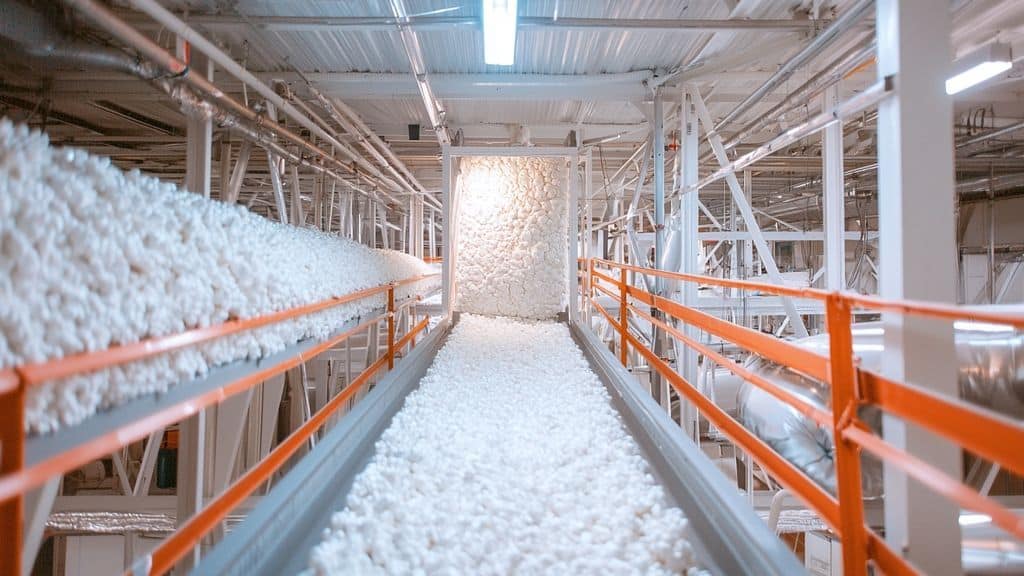
In the lost attic, the wandering of the cellulose booty is soup To fill the interstices between the beams, eliminating thermal bridges. A The elevation of Vph (Value of the house floor) and the installation of deflectors At the base of the beams optimizes its effectiveness.
Insulation of the internal walls
For stone walls or blocks, a Wooden frame It is mounted, followed by the installation of cellulose panels. This method allows:
- Preserve the living space (Minimum thickness of 15 cm).
- Integrate technical networks (electricity, hydraulic system) in the technical space.
Comparison with other insulators
Cellulose ovading vs synthetic isolation
| Criterion | Cellulose Wadding | Polyurethane |
|-|-|-|
| Origin | Recycled | Petrolchimici |
| Impact Co₂ | Weak | High |
| Fire resistance | Well | Excellent |
| Prix | € 30- € 45/m² | € 50- € 70/m² |
Source: Analysis of Biosourcing synthetic insulators
Cellulosa ovading vs other biosourcé
| Insulating | Advantages | Disadvantages |
|-|||
| Wooden wool | Best phase movement (15 hours) | High cost (€ 39/m²) |
| Hemp | Good thermal inertia | Sensitive to humidity |
| Cellulose ouata | Adaptability to complex shapes | Possible long -term settlement |
Choose criteria and recommendations
Minimum thickness
For Optimal insulationfavor:
- 15 cm in the panel For the internal walls.
- 20 cm and VRAC For the attic.
Certifications and seats
Opt for Craftsman rge To ensure an installation according to the standards (laying of air seal membranes, thick control). Avoid self -regulation to limit the risks of condensation or from settlement.
The cellulose vagabond of the Panel Incarna a ecological transition success in the isolation area. His Balance between thermal performance, respect for the environment and ease of installation In fact, an essential choice for the renovation of old or new buildings. Although its cost is slightly higher than that of synthetic insulators, it is sustainability and his Reduced impact on the planet Make it a long -term long -term value.
latest posts published
Discover our furniture line in Cotia
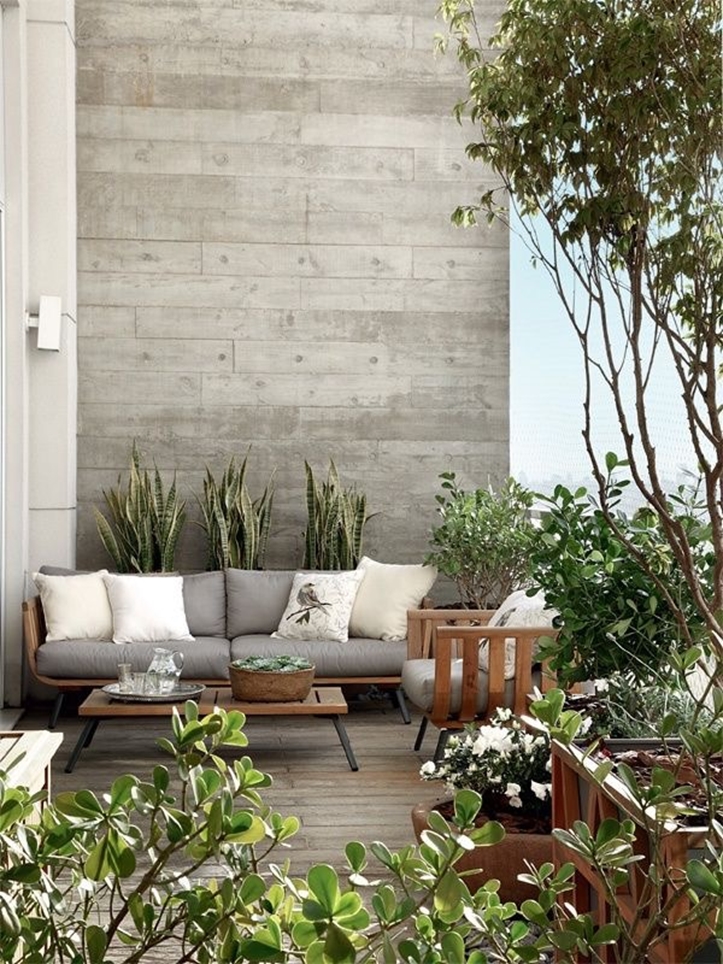
Prepare your outdoor space for summer

Safety Tips – Construtora Agmar
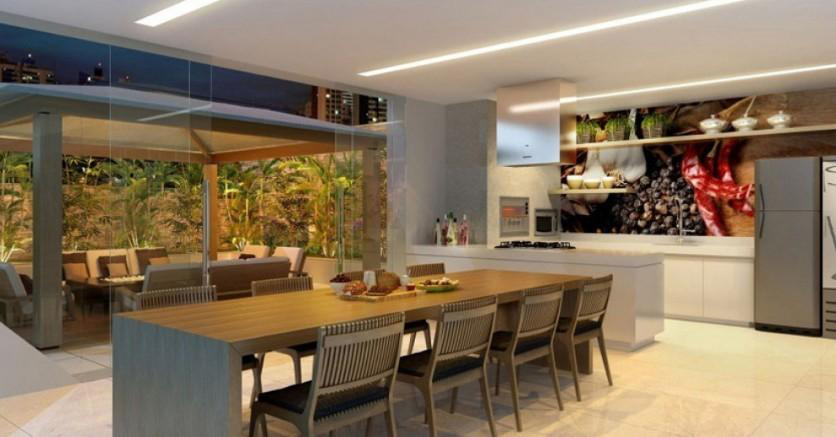
Gourmet space in Agmar developments: by Cícera Gontijo
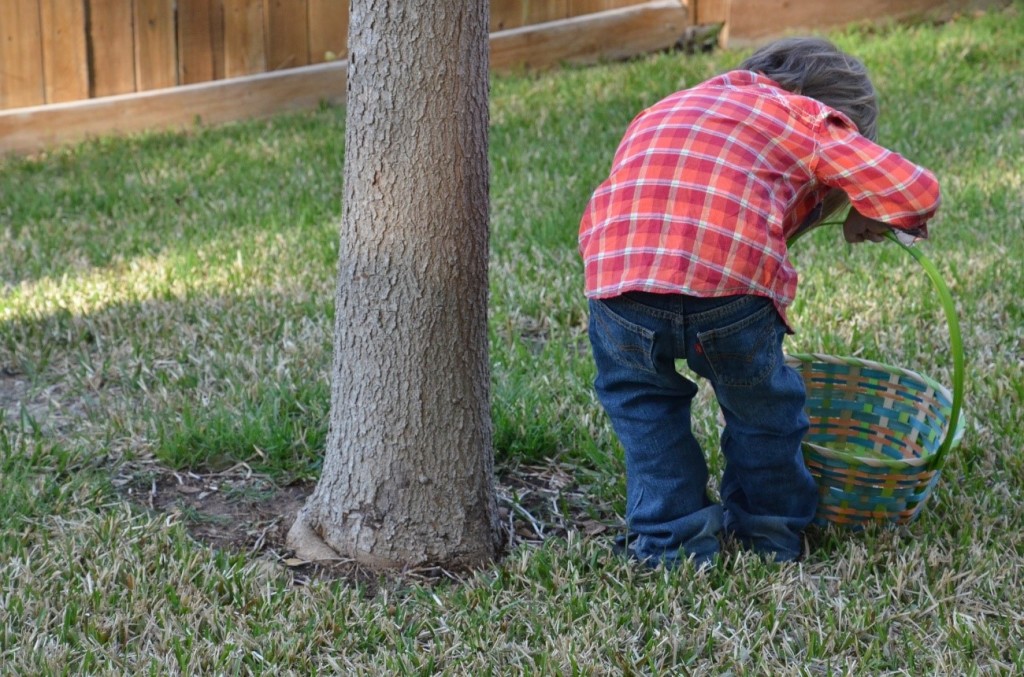
Easter in the condominium: 3 games to play with the children
Sophistication in your company: discover high-end office furniture
Yora Building, the most awaited building in Agmar
Pets in apartments: advice on how to raise them
Five tips for adding rugs to your decor